 By
By The legend tells that the Vietnamese people were born from the embrace of a sea dragon and a mountain fairy. Along this long, slender stretch of land, from the terraced rice fields clinging to the Chinese border to the winding waterways of the Mekong Delta, water and stone keep the founding story alive. Between ethnic diversity and a rediscovered sense of unity, Vietnam is shaping its future.
The River That Sustains Life
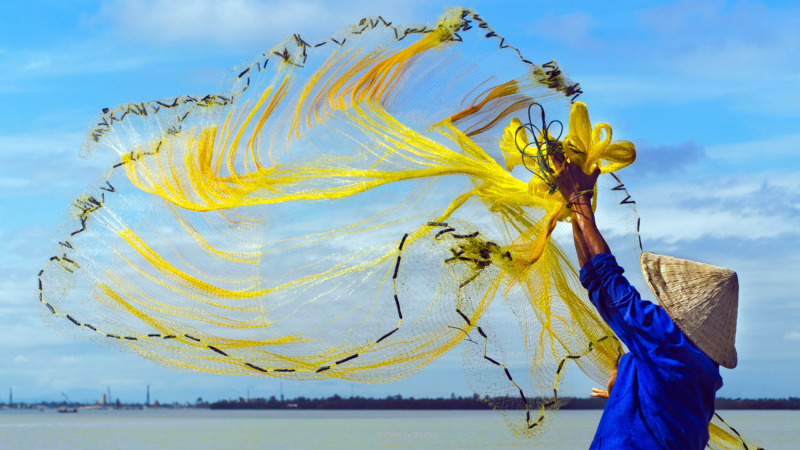
The monsoon winds are fighting their final seasonal battle. High above, wispy clouds herald the arrival of the dry season. A sampan laden with coconuts, rambutans, and firewood cuts through the churning waters of the Mekong, bound for the great floating market. Carried along by the current, the skiff makes its way through a kaleidoscope of color and clamor, weaving between boats transformed into floating shops and stalls piled high with spices. In the distance, an old fisherman casts his throw net into the teeming waters. Cargo boats and motorized canoes cross paths in an endless fluvial ballet. Along the banks, stilt houses form a fragile bulwark against turbulent waters, swirling currents, and devastating floods. With its myriad winding canals and tidal creeks reaching into the remotest corners of the region, the Mekong is far from a tranquil river. Rising in the Tibetan highlands, it rushes through jungles and valleys before disappearing into the delta’s endless arms. In its wake stretch alluvial plains, irrigated fields carpeted with rice paddies, and mangrove forests. The Mekong is far more than a vast trade route: it is the lifeblood that sustains the peoples of the river and their nomadic fishers.
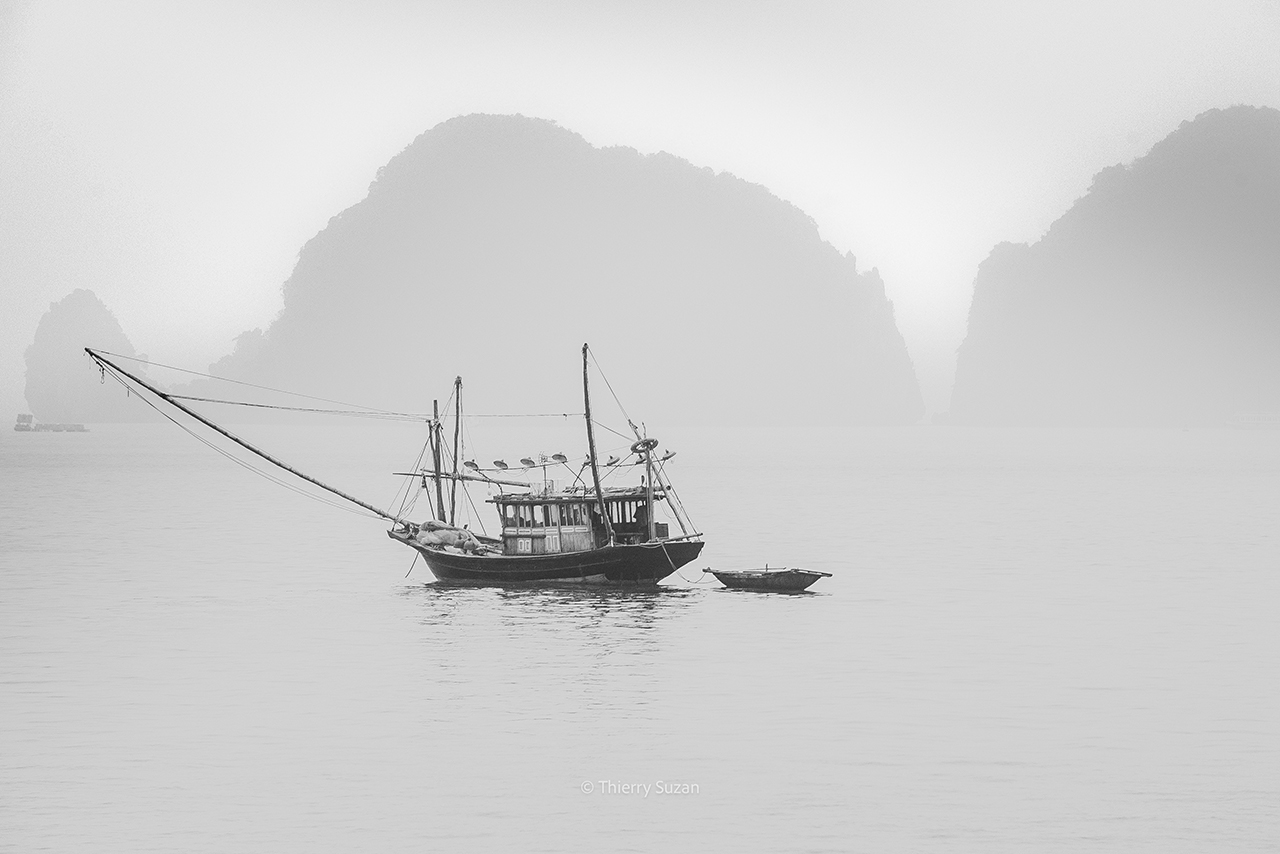 © Thierry Suzan · Water · All Rights Reserved
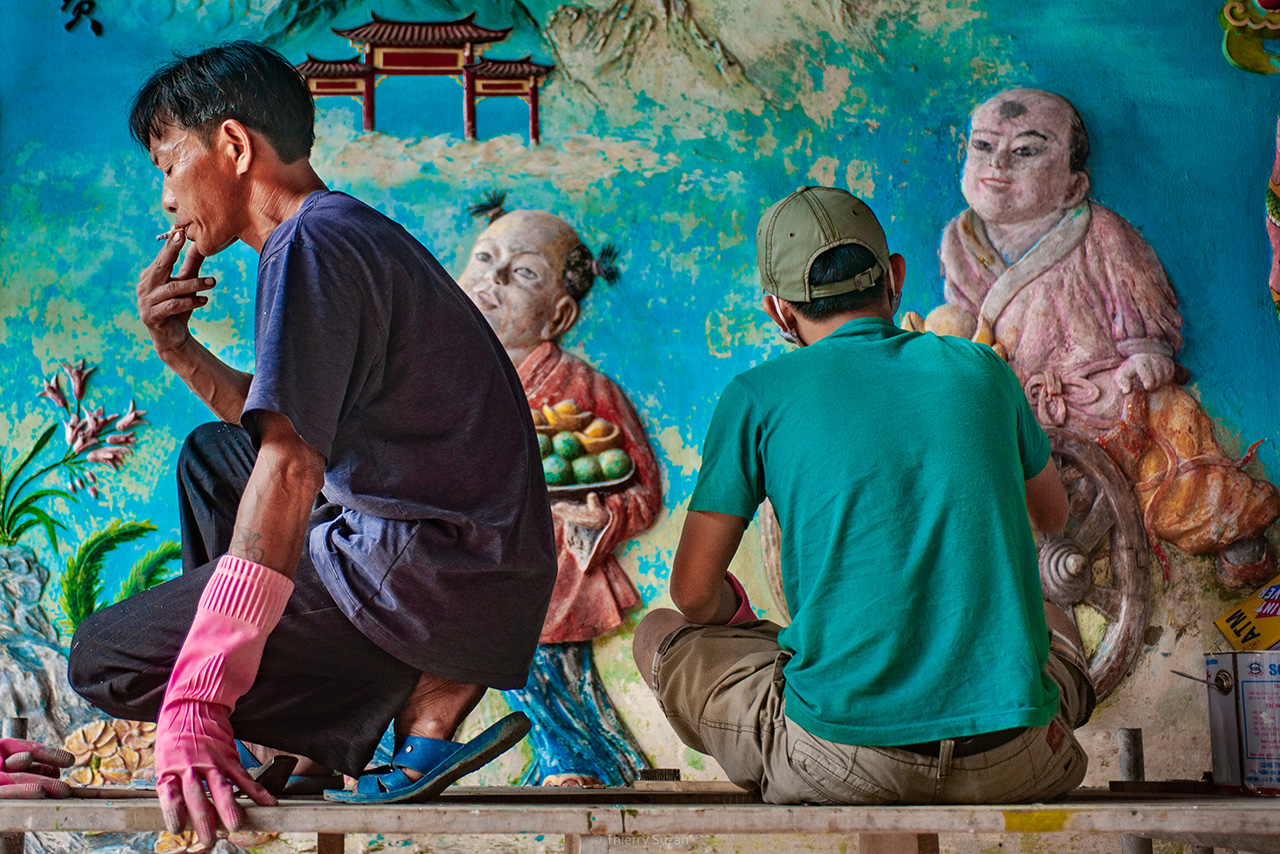
Rooted in a tradition that traces the origins of the Vietnamese nation back to the Hùng dynasties as early as the third millennium BCE, Vietnam’s history has been shaped by the mastery of water. Farmers in the Red River Delta tame the floods, carve terraced rice fields, and read the sky and the seasons with ancestral wisdom.
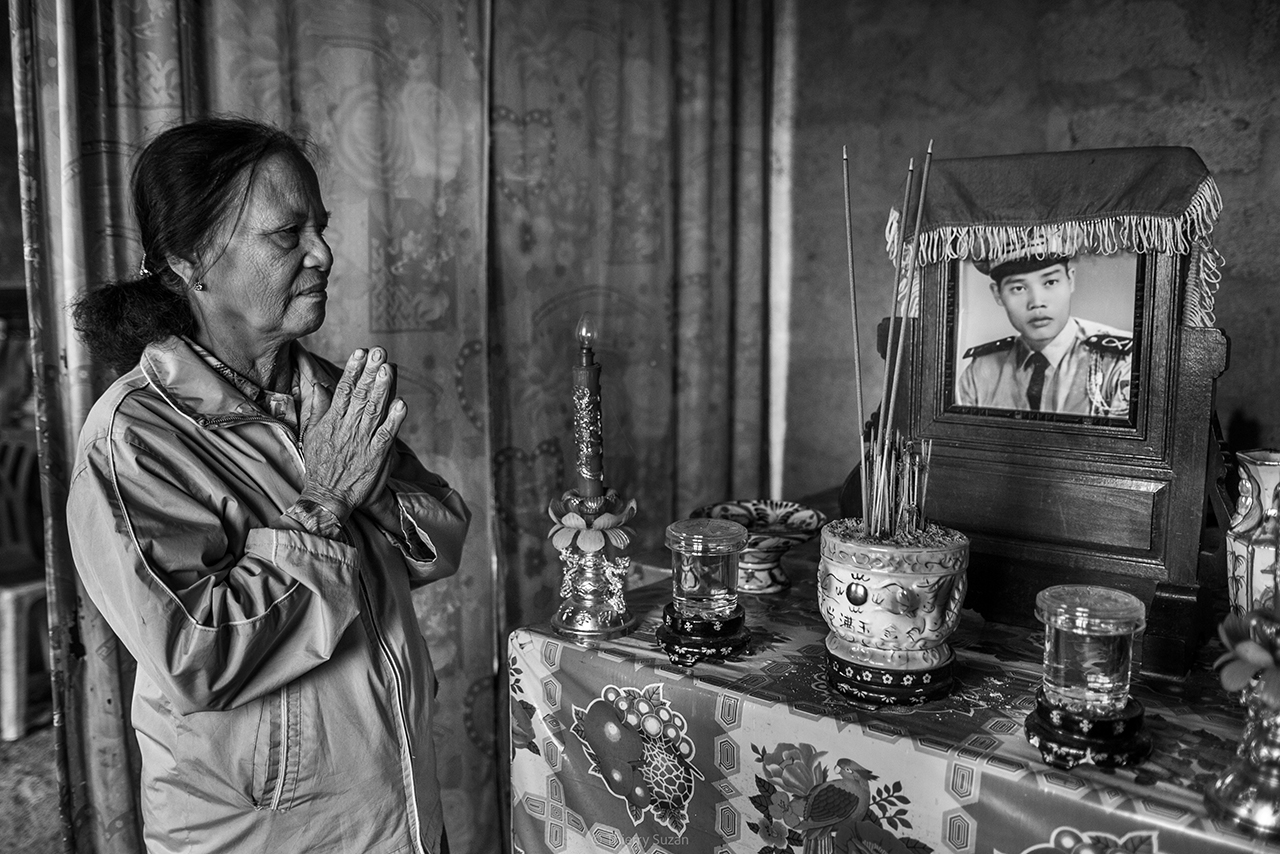
These ancient practices form a hydraulic system that structures social organization, agricultural rituals, and the Vietnamese people’s deep bond with the land. At the heart of this communal fabric, ancestor worship sustains clan unity: it sanctifies the lineage, strengthens family ties, and ensures the transmission of agrarian heritage from one generation to the next. This spiritual bond, grounded in respect for elders and the continuity of the household, lays the foundations for a sustainable rural way of life that reinforces national cohesion.
During more than a thousand years of Chinese rule, Vietnam absorbed imperial influences, notably Confucianism, which profoundly shaped its social hierarchies and administration. Yet it preserved its village customs and ancestral beliefs, maintaining a tenacious rural identity. This dynamic continued with the Nam Tiến, or “March to the South,” as the kingdom gradually expanded into the Cham territories of central Vietnam and then into the Mekong Delta, regions where other established cultures already flourished.
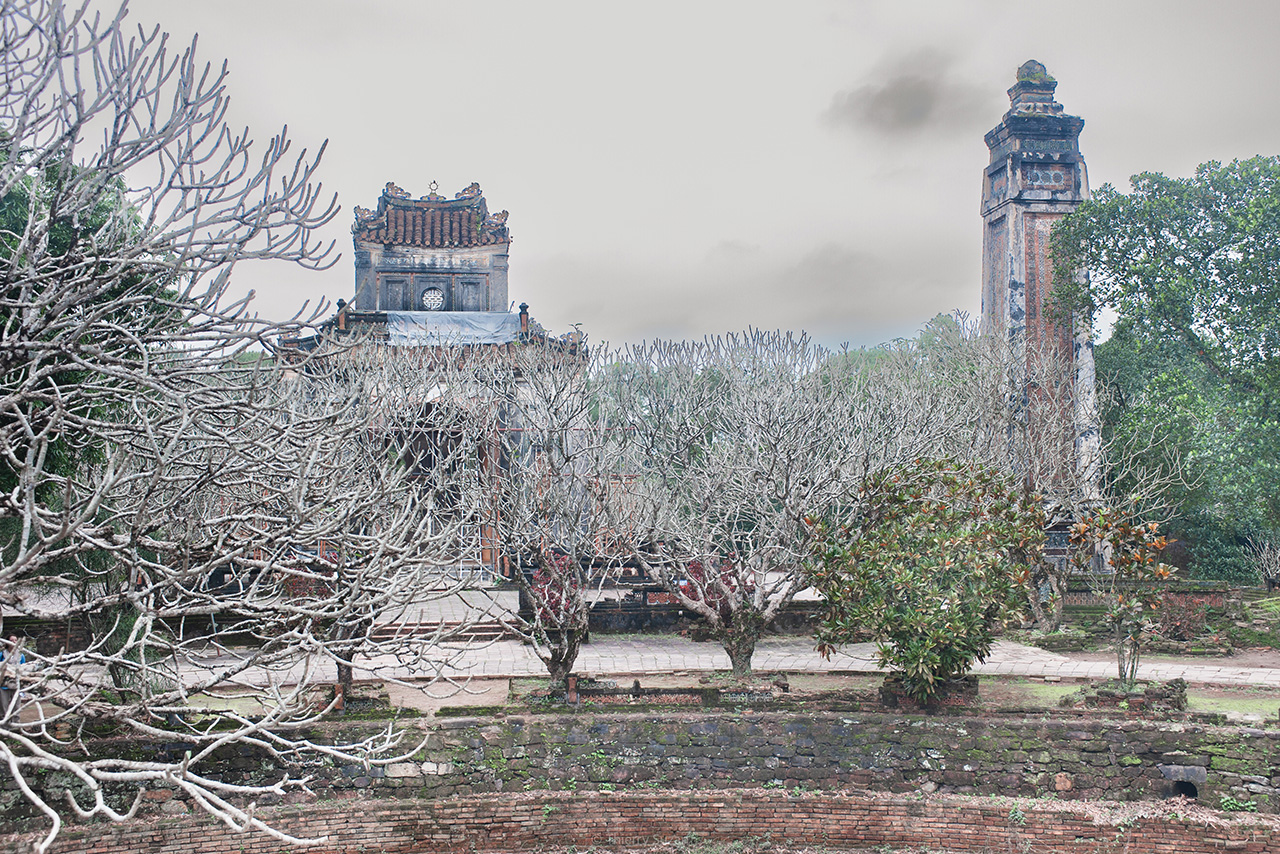
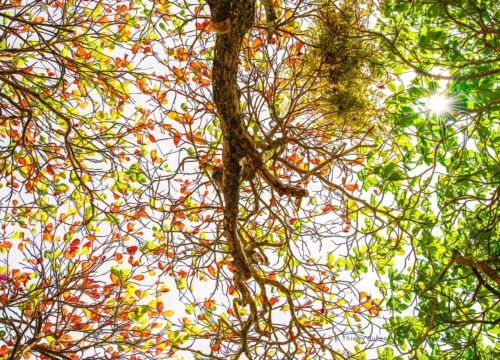
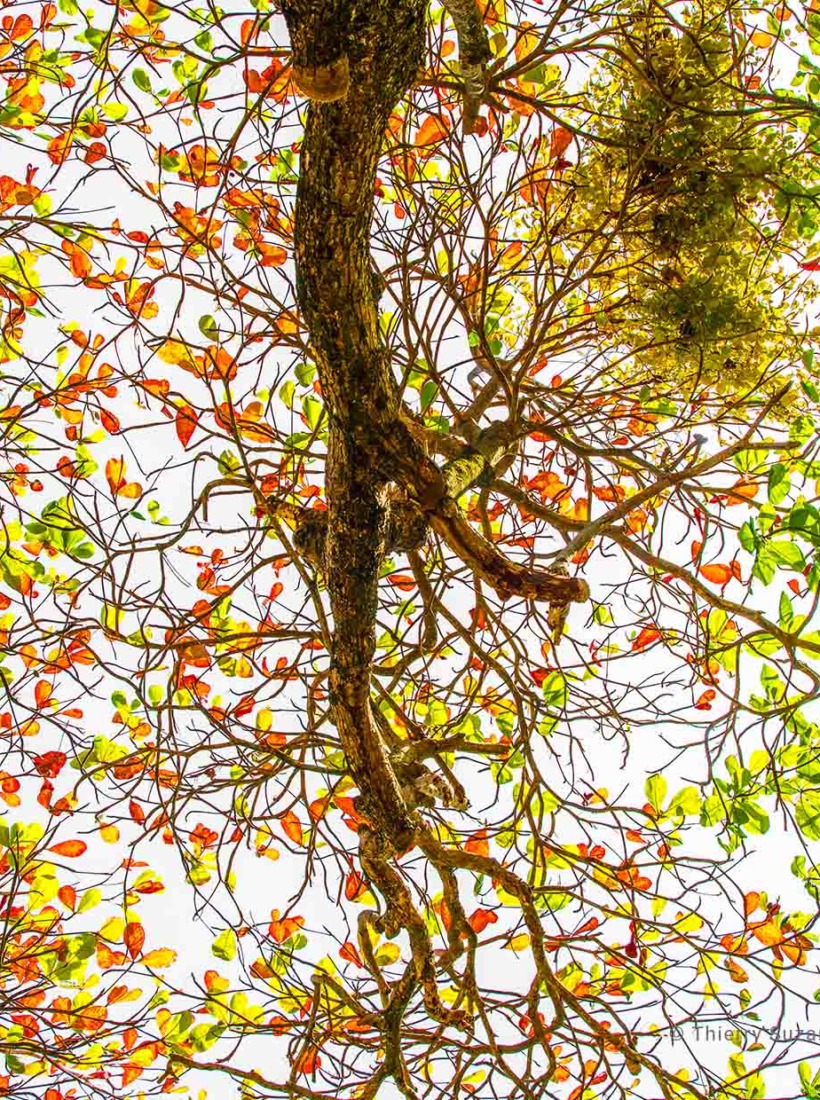
© Thierry Suzan · Imperial Silence · Tu Duc Mausoleum · Hue · Vietnam · All Rights Reserved
The Breath of Centuries
The great national dynasties that emerged from the 11th century onward consolidated the country’s independence, codified its laws, organized its armies, and repelled Mongol invasions. Power was strengthened through a centralized administration, the development of a vernacular literature, and the gradual emergence of a national identity. Dynastic rivalries, however, divided the country into two spheres of influence, foreshadowing the fractures of the 20th century. In 1802, the Nguyễn dynasty finally reunified the country after a long process of territorial consolidation, going on to rule an empire stretching from the Chinese border to the Gulf of Thailand. In the second half of the 19th century, this political stability succumbed to French colonial conquest.
The 20th century set everything ablaze. From the First Indochina War to one of the century’s deadliest conflicts, marked by the massive military involvement of the United States, Vietnam endured thirty years of almost uninterrupted warfare. Yet it never stopped tending its rice fields. This duality, holding the hoe in one hand and the rifle in the other, lies at the heart of its resilience.
With its myriad winding canals and tidal creeks reaching into the remotest corners of the region, the Mekong is far from a tranquil river.
A Country on the Move
In 1986, Vietnam embarked on a decisive transformation. With Đổi Mới (Renewal), the economy gradually opened up to private enterprise and foreign investment. The country has since experienced spectacular growth. Industrial zones have multiplied, cities have grown skyward, and Vietnam has emerged as one of Asia’s leading manufacturing hubs.
A new generation embodies contemporary Vietnam. Born after the war, it knows neither bombs nor re-education camps. It consumes, travels, launches start-ups, and embraces a reinvented Vietnamese identity. This generation does not look back—not out of amnesia, but because it knows the future belongs to it more than the past.
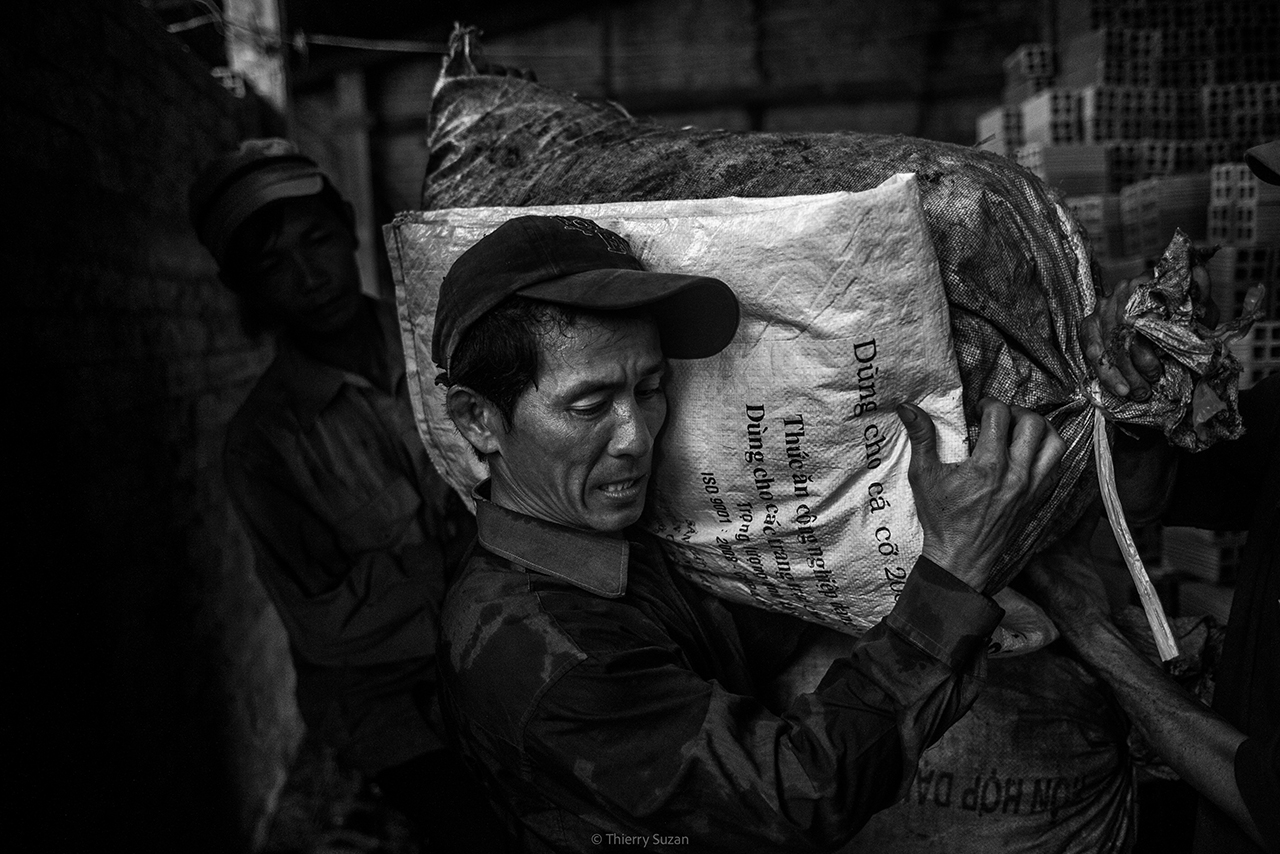
Vietnam’s success rests on several pillars: stable governance, a strong emphasis on education, and a culture of hard work inherited from a long agricultural tradition. In a few decades, the country has transformed a war-ravaged economy into an industrial powerhouse and lifted millions of people out of extreme poverty.
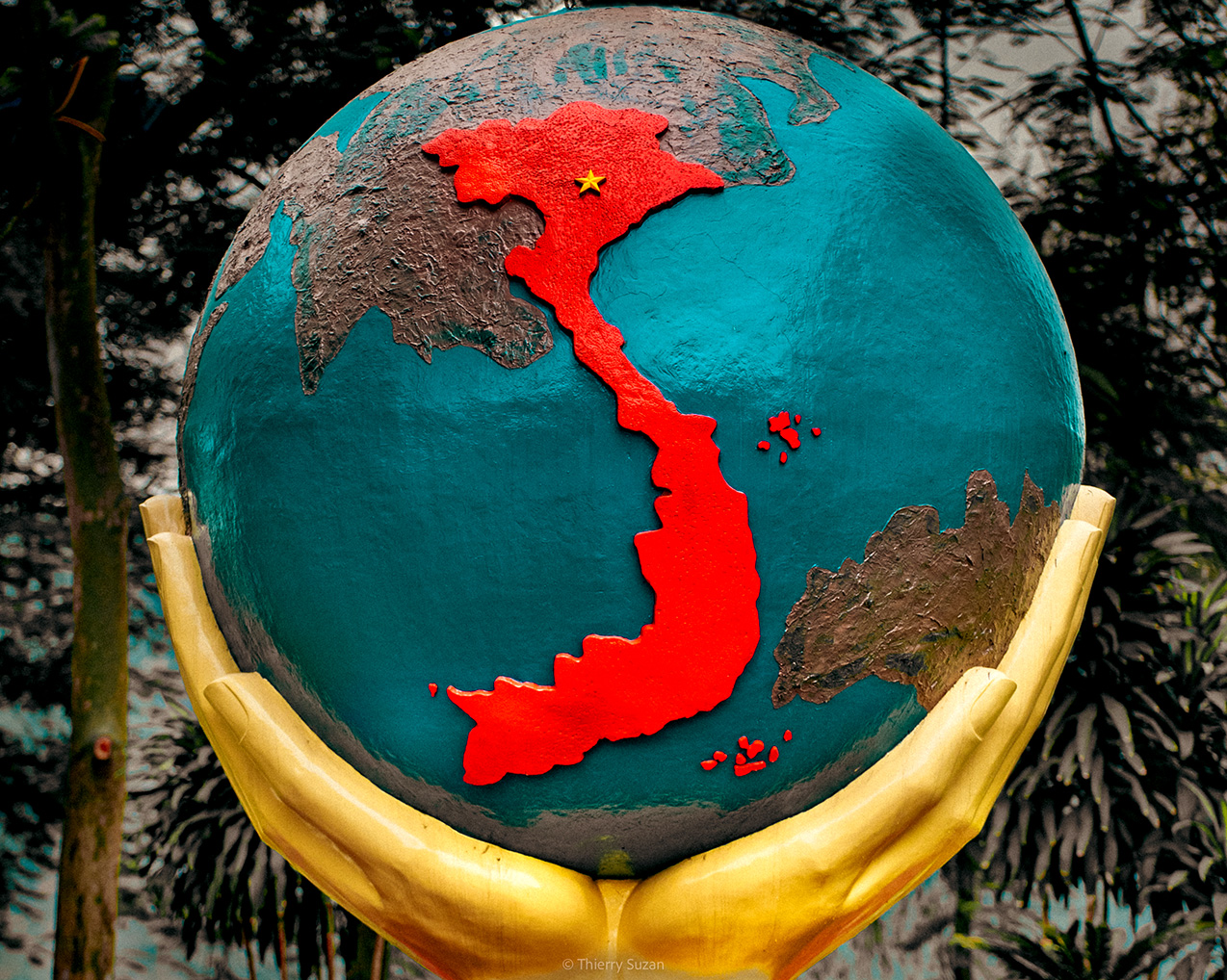
© Thierry Suzan · Globus · Vietnam · All Rights Reserved
The Land as Inheritance
Vietnam has a visceral relationship with its environment. Yet the flip side of its economic boom is plainly visible in the landscape. Agricultural land is giving way to expanding industrial zones. The Mekong, whose waters irrigate the south of the country, is seeing its delta increasingly affected by saltwater intrusion and erosion as a result of dams built upstream. Coastlines are becoming increasingly urbanized, forests are retreating, and river pollution stands in stark contrast to the beauty of the mountainous regions of the North. And yet, the country is neither without resources nor without awareness. It has embarked on an ambitious energy transition: solar and wind power are among the fastest-growing sources of energy in Southeast Asia. National parks protect ecosystems of exceptional richness, from Phong Nha-Kẻ Bàng National Park and its millennia-old caves to the primary forests of the highlands.
Vietnam has risen to every challenge history has placed in its path. It now stands at a civilizational crossroads: to forge a modernity true to itself without risking a return to what it took centuries to overcome.
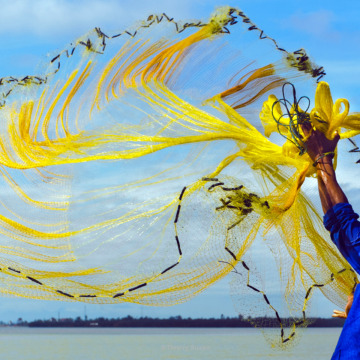
© Lead photograph · Thierry Suzan · Fisherman with a cast net · Perfume River · Vietnam · All Right Reserved