 By
By French Guiana is firmly anchored in European institutions and frameworks, yet fully embedded in the Amazonian world, straddling its border rivers, regional dynamics, and the vitality of its neighbouring peoples. Caught between these two shores, it struggles to reconcile its European identity with the visceral need to become, once again, a resolutely South American land.
Theatre of the Treetops
As day breaks, the Amazonian forests of French Guiana reveal their staggering scale. Night loosens its hold like a liana, leaving a fine dew beading on the branches of wacapou trees. The air is warm, heavy with the scents of humus, sap and unfamiliar flowers. Beneath the canopy, the forest stirs: a vegetative shiver runs through the foliage, trembling all the way down to the undergrowth.
Then the immensity becomes a theatre of the treetops. Macaws, trapeze artists without a net, streak the sky with red and blue, while, from tree to tree, acrobatic monkeys compete in daring displays beneath the great top. Suddenly, the black caiman disappears in broad daylight—the invisible magician’s final trick. Around the trunk of a century-old angelim tree, the anaconda glides onto the stage like a ribbon of velvet. In the wings, an army of leaf-cutter ants works tirelessly, silent stagehands carrying away the scenery leaf by leaf. Finally, in a ballet of wings, a cloud of multicoloured birds sets the canopy ablaze before the curtain falls.
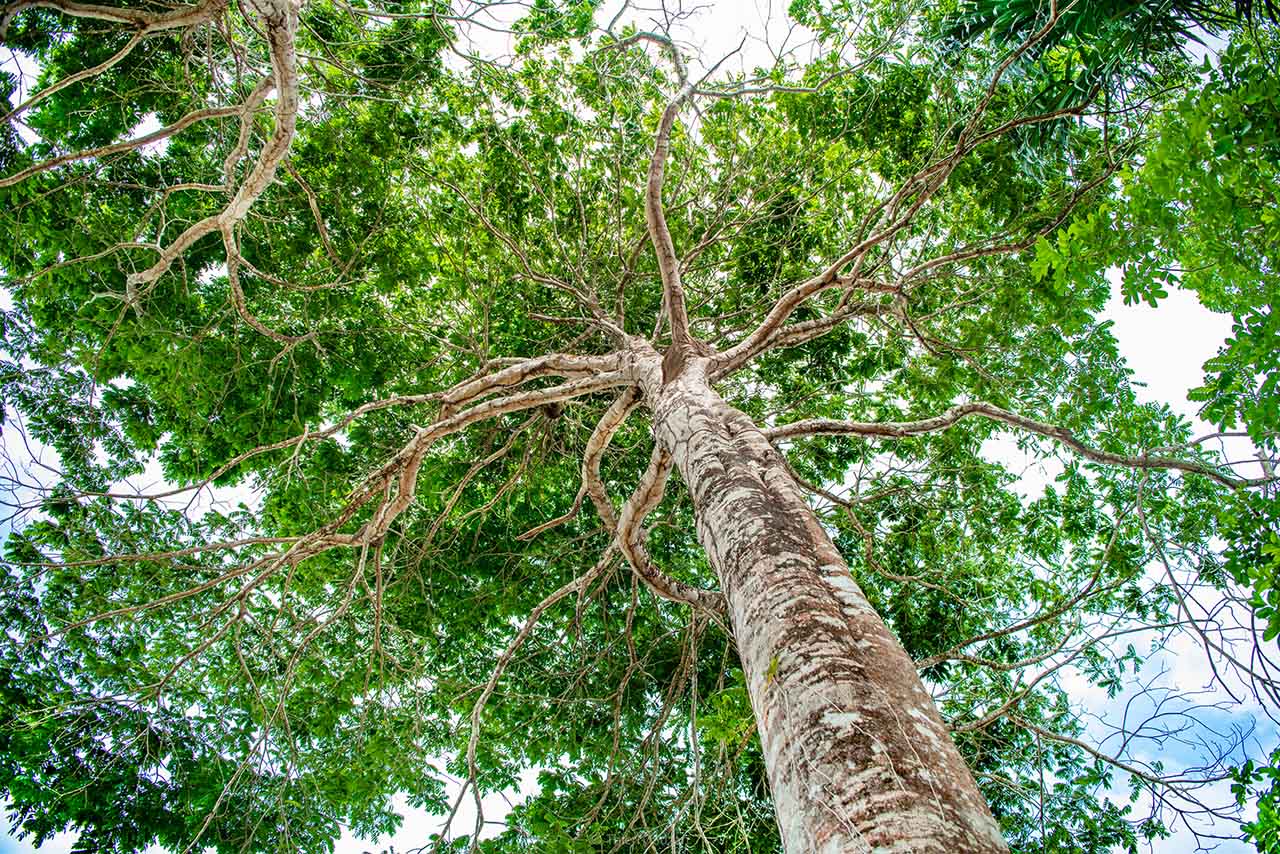 © Thierry Suzan · Canopy · French Guiana · All Rights Reserved
The Age of Rivers
Before European colonisation, French Guiana was a world of rivers, forests and dugout canoes gliding along the Maroni, the Oyapock and the Approuague. For centuries, its Indigenous peoples had built their societies within an intricate web of languages, alliances and cosmologies. The Kali’na, Lokono, Palikur, Wayana, Wayãpi and Teko were far from being distant figures from a vanished age: they embodied the enduring presence of a humanity that, long before maps were drawn, had learned to inhabit the forest without ever subduing it.
The arrival of the European monarchies at the end of the fifteenth century upended this Indigenous sovereignty in favour of a logic of territorial expansion. Two worldviews now confronted one another on the American continent: on one side, peoples rooted in their land, whose knowledge was attuned to the balance of the ecosystem; on the other, maritime powers engaged in a drive for conquest and hegemony. Within two centuries, this confrontation had reshaped the balance of power. Through the imposition of foreign laws, the influx of new populations, the gradual establishment of Christian missions and the expansion of the slave trade, French Guiana was drawn into the colonial era, laying the foundations of its modern history.
In the seventeenth century, France set out to gain a foothold on this coastline, contested by the European crowns. After several failed attempts at settlement, Cayenne was founded in 1643. A new organisation of the territory gradually took shape: the coastline became the hub of a colonial system built around trading posts, plantations and estates. This economy rested on the transatlantic slave trade and on slavery itself. Thousands of Africans were deported to French Guiana and forced to labour on coffee, cocoa, cotton and sugar-cane plantations, where the planters’ wealth was built on routine violence and the erasure of identity. At the same time, Indigenous populations faced epidemics, conflict and the dispossession of their lands.
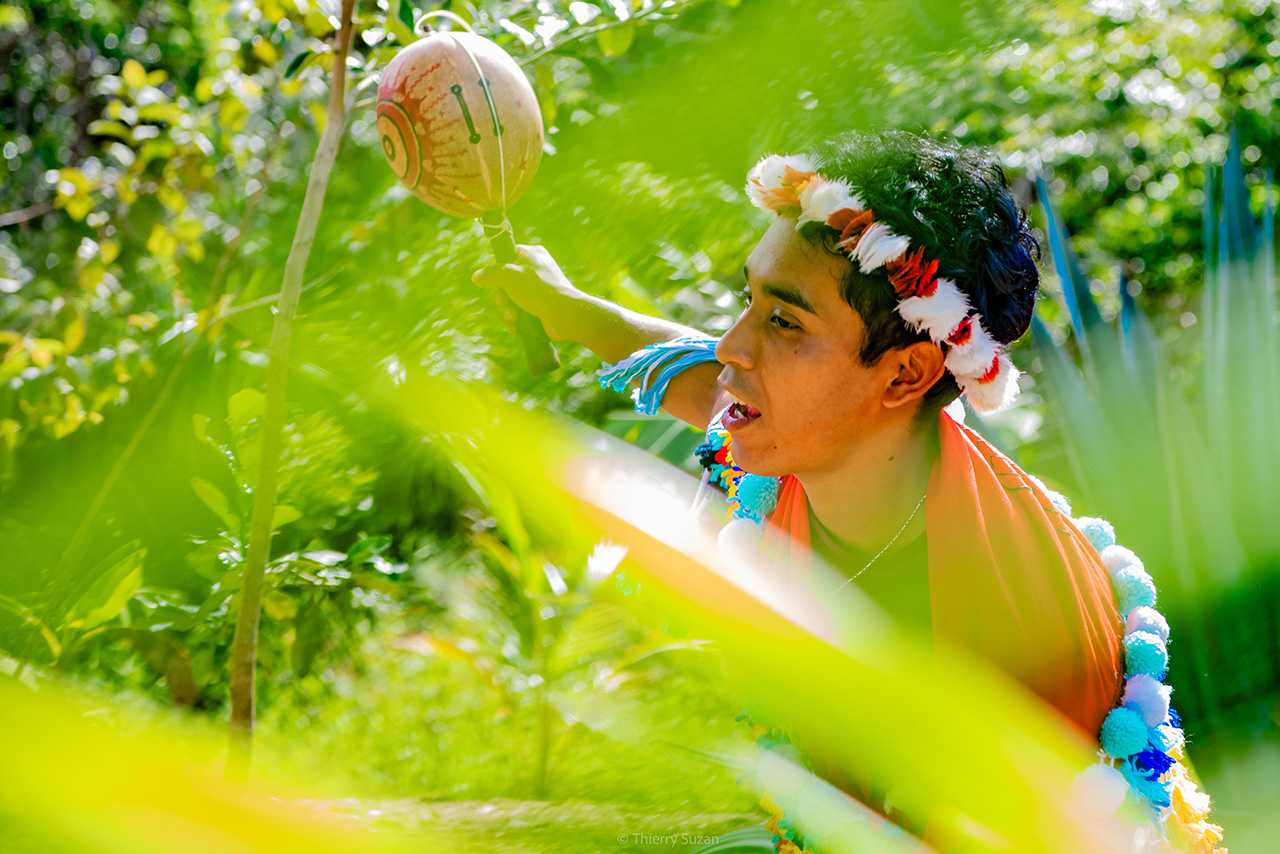
© Thierry Suzan · Wayana · French Guiana · All Rights Reserved
Chained Memories
Faced with this imposed order, marronage took hold: enslaved people fled into the forests and along the rivers of the interior. On the banks of the Maroni and its tributaries, they established autonomous communities from which the Bushinengué peoples emerged. There, they rebuilt ways of life rooted in cassava cultivation, fishing, hunting, river navigation and the transmission of a reconfigured African memory. The Amerindians, for their part, resisted and preserved their own cultures.
Slavery was abolished in 1848. Four years later, France established a colonial penal system, transporting convicts from mainland France and its overseas possessions, turning French Guiana into one of the empire’s principal lands of penal exile. Then, from 1855, the discovery of gold deposits triggered a genuine gold rush, drawing thousands of workers, notably from the Caribbean and China.
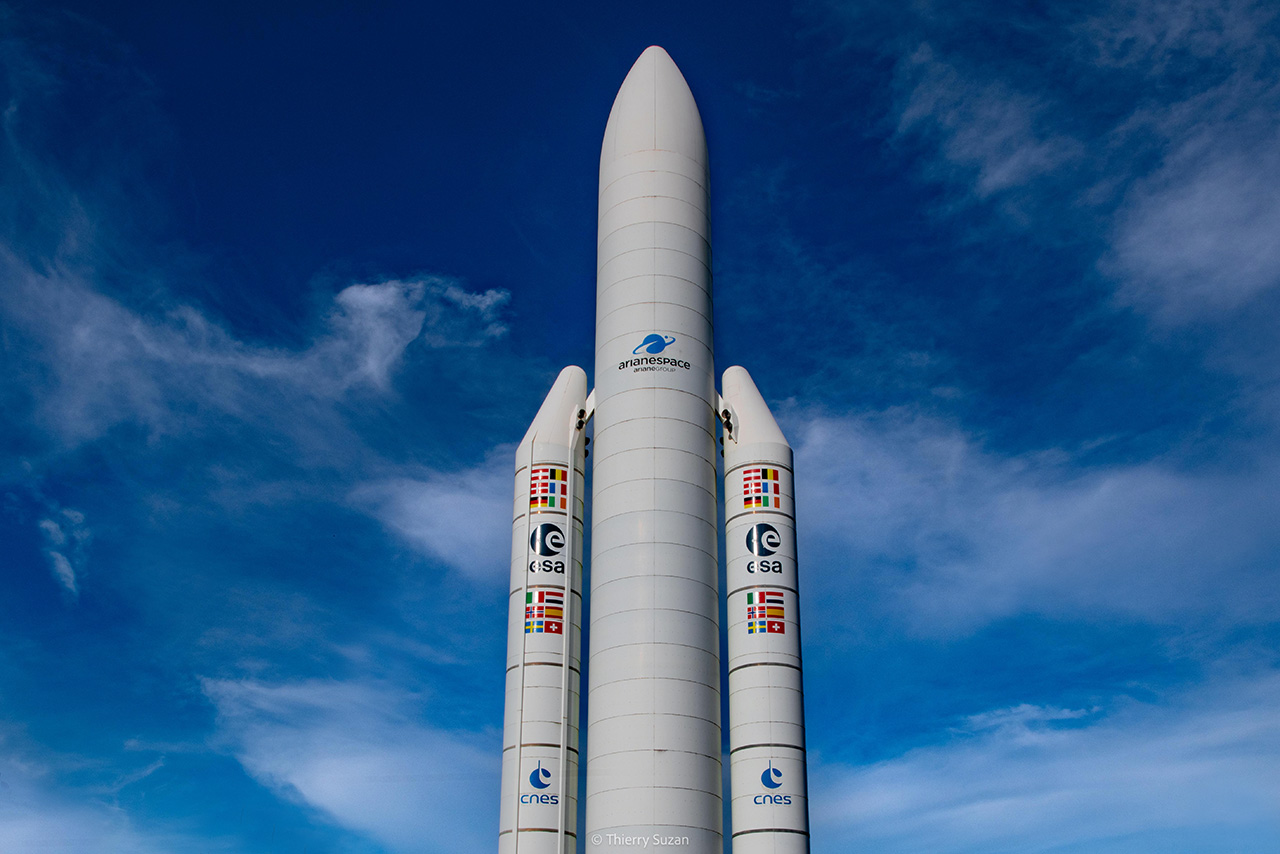
In 1946, French Guiana became a French department. Its new status gradually extended access to public services and accompanied a decisive demographic shift. From 1965, the construction and subsequent growth of the Guiana Space Centre in Kourou brought in a new workforce, accelerating urbanisation and migration and opening the country to the wider world. Contemporary society has since taken shape in layers: Amerindian, African, Bushinengué, Creole, European, and later Brazilian, Haitian, Hmong, Surinamese and Latin American. It remains shaped, to this day, by the coexistence of heritages, memories and territories that have never fully merged.
As day breaks, the Amazonian forests of French Guiana reveal their staggering scale.
The Paths of the Penal Colony
From 1852, French Guiana entered a new phase of its history, becoming a destination for penal exile. The first convicts arrived in successive waves, inaugurating a prison system designed to punish, banish and develop a colony France still struggled to control. The penal colony soon spread to Cayenne, Kourou, Saint-Laurent-du-Maroni and the Salvation Islands. In the camps and penitentiaries, convicts were subjected to forced labour: road building, logging, farm work and infrastructure projects. The forest, the rivers and the vastness of French Guiana became the boundaries of an open-air prison.
Surveillance was constant. Prison guards, military warders and disciplinary systems enforced a brutal order. Corporal punishment, solitary confinement, chains and shackles remained common practice. For some, the sentence extended well beyond release: under the principle of doublage, many convicts were required to remain in French Guiana for a period equal to their time served.
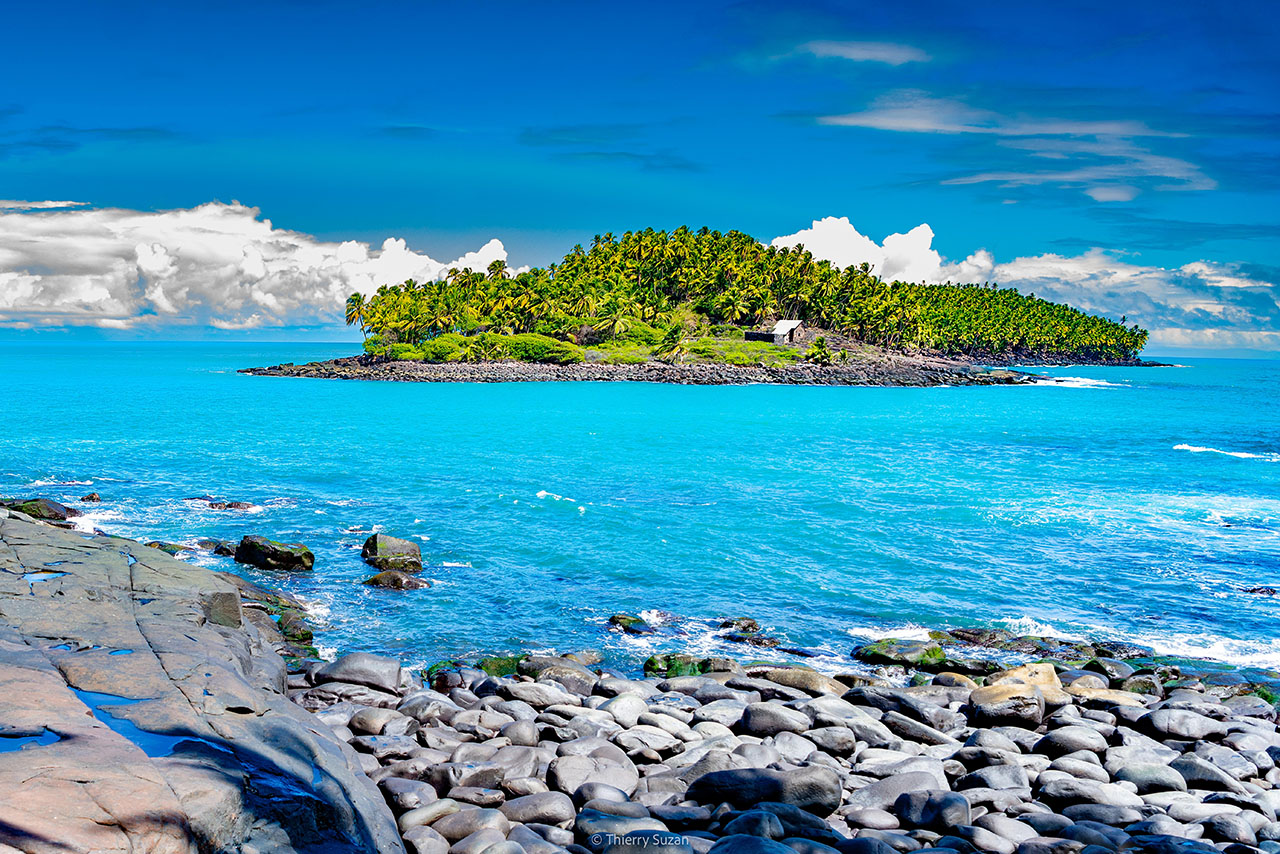
The penal colony also became a political instrument. In 1895, Captain Alfred Dreyfus, wrongly convicted of treason in a case steeped in antisemitism, was deported to Devil’s Island. The institution came to symbolise exceptional justice and political deportation.
From the 1920s onwards, it faced growing criticism. Reports condemned the conditions of detention, the death toll and the system’s economic inefficiency. It was not until 1953 that the last convicts finally left French Guiana. The penal regime gradually collapsed, and its surviving remains now bear witness to a history in which punishment, colonisation and human suffering are inextricably entwined.
Created and administered by the French state, the penal colony did not arise from Guianese society. Though it now forms part of France’s national heritage, its memorial legacy continues to raise questions about the place of this “land of convicts” in French Guiana’s own story.
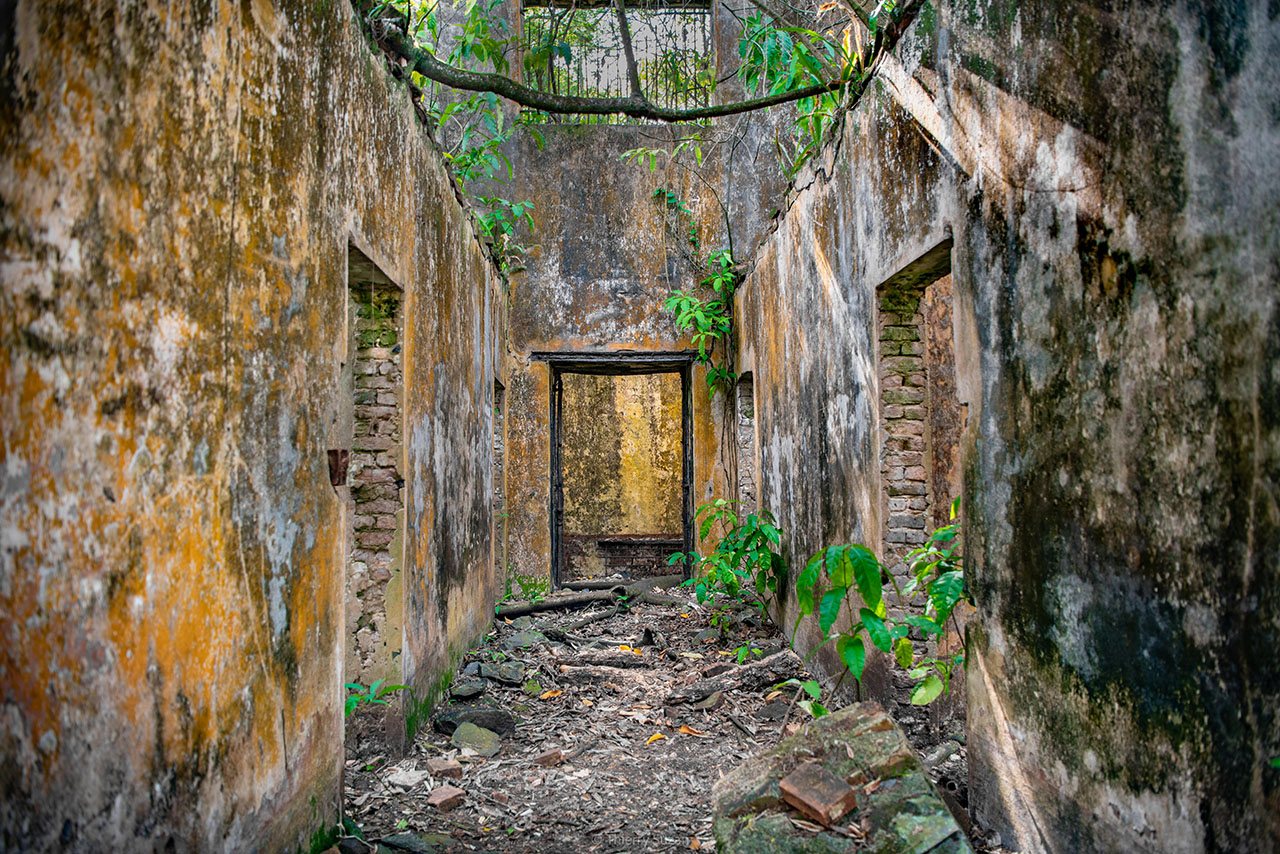
© Thierry Suzan · Penal Colony · Île Saint-Joseph · French Guiana · All Rights Reserved
Between Heritage and Change
Today, French Guiana faces a defining challenge for its future: pursuing development while preserving the natural environments and social balances that shape its identity.
Its forests, rivers and coastline are home to exceptional biodiversity, notably protected within the Guiana Amazonian Park, yet these areas face mounting pressure from illegal gold mining, deforestation and mercury pollution. Such practices weaken the ecosystems and directly affect the communities who depend on them. These threats are compounded by the effects of climate change, from coastal erosion to extreme rainfall events. Protecting the environment has thus become inseparable from safeguarding these populations and their ancestral knowledge.
A crossroads of borders and movement with Brazil and Suriname, French Guiana is a land of transit and migration. This diversity fuels its dynamism, while heightening pressure on housing, education, healthcare and public infrastructure more broadly. It also highlights the disparities between a coastline, where the bulk of the population is concentrated, and interior communes, some of which remain largely isolated.
Adding to this complexity, the Guiana Space Centre gives the region a unique strategic significance, yet this international standing coexists with an economy whose benefits accrue mainly to the coastal fringe. Caught up in debates that extend well beyond its borders, torn between its Amazonian roots and its place within the Republic, French Guiana navigates old inheritances and new aspirations along a trajectory in constant redefinition.
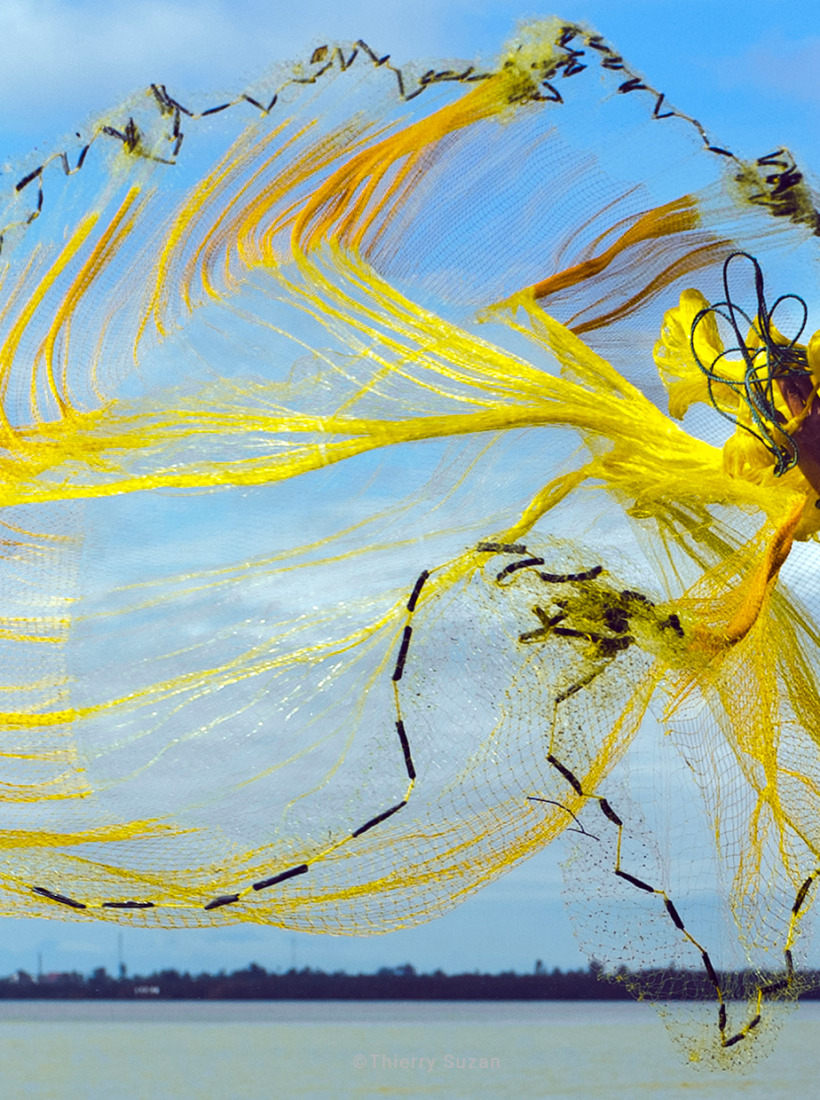
© Lead photograph · Thierry Suzan · Mangrove · Amazonia · French Guiana · All Right Reserved