 By
By When Swedish explorer Otto Nordenskjöld set sail from the lush shores of the Falkland Islands on the first morning of 1902 aboard the former whaling ship Antarctic, he had no idea that the southern voyage would descend into polar tragedy. The young geologist led a scientific expedition composed of hardened crewmen, seasoned researchers, and Captain Carl Anton Larsen, an accomplished navigator. Their mission was to conduct interdisciplinary research over the course of a year while collecting rare geological specimens and samples of marine life.
The Promise of Summer
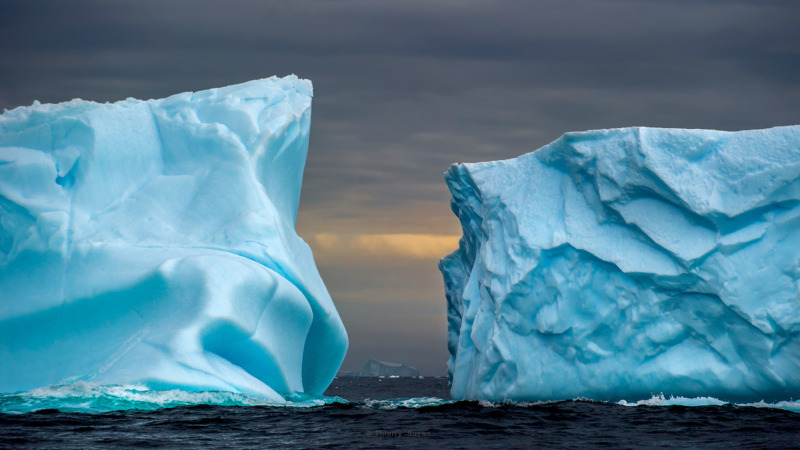
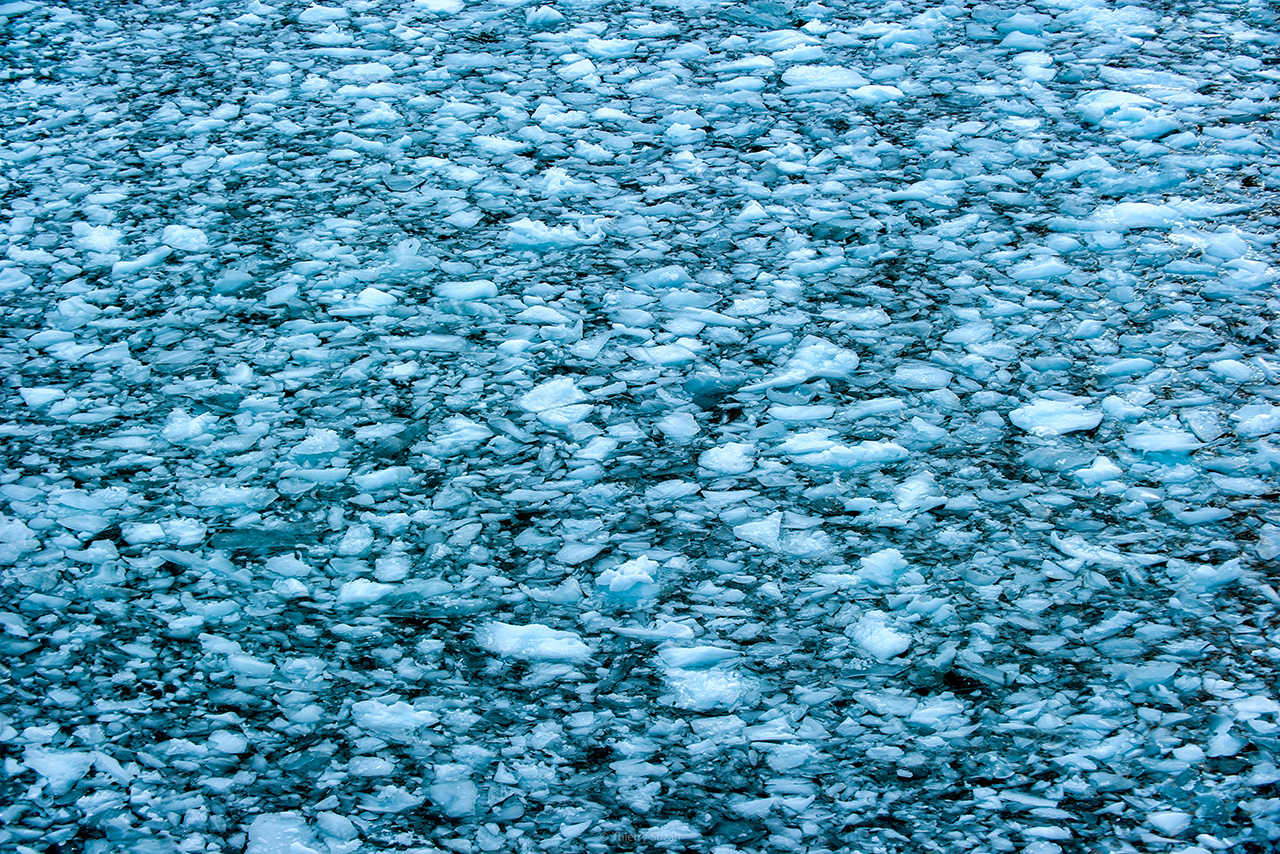
As the ship skirted the tip of the Antarctic Peninsula, it was forced to alter course. Pack ice lay everywhere. From the crow’s nest, the lookout spotted a passage in the distance beyond the drifting floes. The sea fell eerily calm in the vessel’s wake as it entered the uncharted strait. Beyond it stretched a pristine expanse: the Weddell Sea, guarded by an army of icebergs.
The captain then set a course for Erebus and Terror Gulf, heading toward Snow Hill Island, first charted by explorer James Clark Ross. There, the dogs and the equipment needed to build a wooden hut were hurried ashore, along with provisions and fuel for the long winter ahead. Larsen then turned back toward open water, promising to return the following summer for Nordenskjöld and his five companions. The Antarctic would never return.
 © Thierry Suzan · Mosaic · All Rights Reserved
The Weddell Trap
A year had passed. The austral night was drawing to a close beneath the pale glow of the returning sun. The bow of the relief ship cut through the Antarctic ice, but the drifting pack ice already prevented the three-masted vessel from reaching the research station. In a silver-grey bay, three volunteer sailors were put ashore to make the hundred-kilometre journey overland to the wintering base.
During the crossing, the party was battered by the full force of a blizzard. Their food supplies and equipment were destroyed. For ten long months, the three men endured their ordeal in utter despair and complete isolation. With desperate courage, they defied the certainty of death. To survive, they fed on penguin meat and drank seal blood. Without heat, without provisions—and above all without any hope of ever seeing their comrades again—they were pushed to the very brink of madness.
Beyond it stretched a pristine expanse: the Weddell Sea, guarded by an army of icebergs.
Some time earlier, near the shoreline, the deadly pack ice had closed in around the Antarctic with the fatal groan of splintering wood and cracking ice. Fear etched across their faces, the surviving sailors watched helplessly as their ship was crushed and swallowed before taking refuge on a small nearby island.
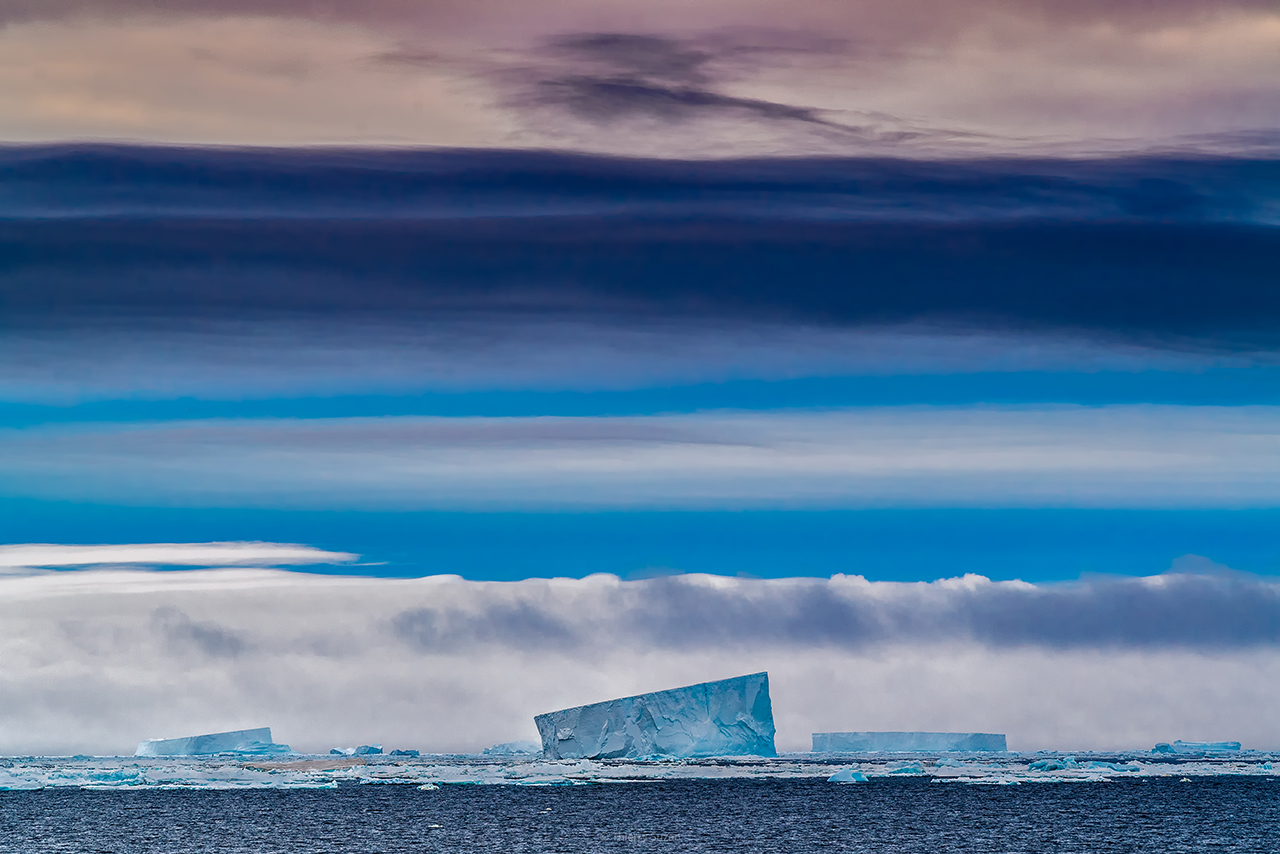 © Thierry Suzan · Decline · All Rights Reserved
And Then There Was Light
Weeks passed with no word from the Antarctic. Across Europe, anxiety over the fate of the Swedish expedition reached fever pitch. The Argentine Navy launched a rescue mission to search for the missing men. Scanning the coastline relentlessly, the corvette ARA Uruguay pressed on through treacherous waters, threading its way between shoals and drifting ice.
Then suddenly, ashore beneath the endless austral daylight, Nordenskjöld and his companions caught sight of the blue-and-white Argentine flag flying above the ice. The expedition was saved.
Without ever abandoning their mission, the prisoners of the Pole had continued their scientific work with desperate determination. From this ordeal, they brought back thousands of hours of observations and research of immeasurable value to the understanding of the continent. Hope gave them the strength to endure; science gave them the means to survive.
© Lead photograph · Thierry Suzan · Duel · All Rights Reserved