 By
By Costa Rica is home to an extraordinary diversity of ecosystems. Tropical forests, volcanoes, and mangroves shape a natural landscape in which every species plays a role in a delicate balance. This small Central American nation is a true living laboratory for conservation, combining an extensive network of protected areas, an almost entirely renewable energy supply, and an environmental awareness deeply embedded in its national identity.
Over the past three decades, Costa Rica’s environmental policy has emerged as a global benchmark for sustainability. Guided by a long-term vision, the country has placed the protection of nature at the very core of its development, making its citizens the stewards of a shared heritage.
The Cry of Dawn
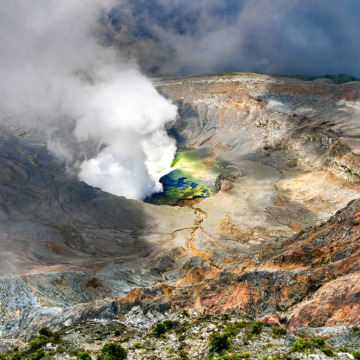
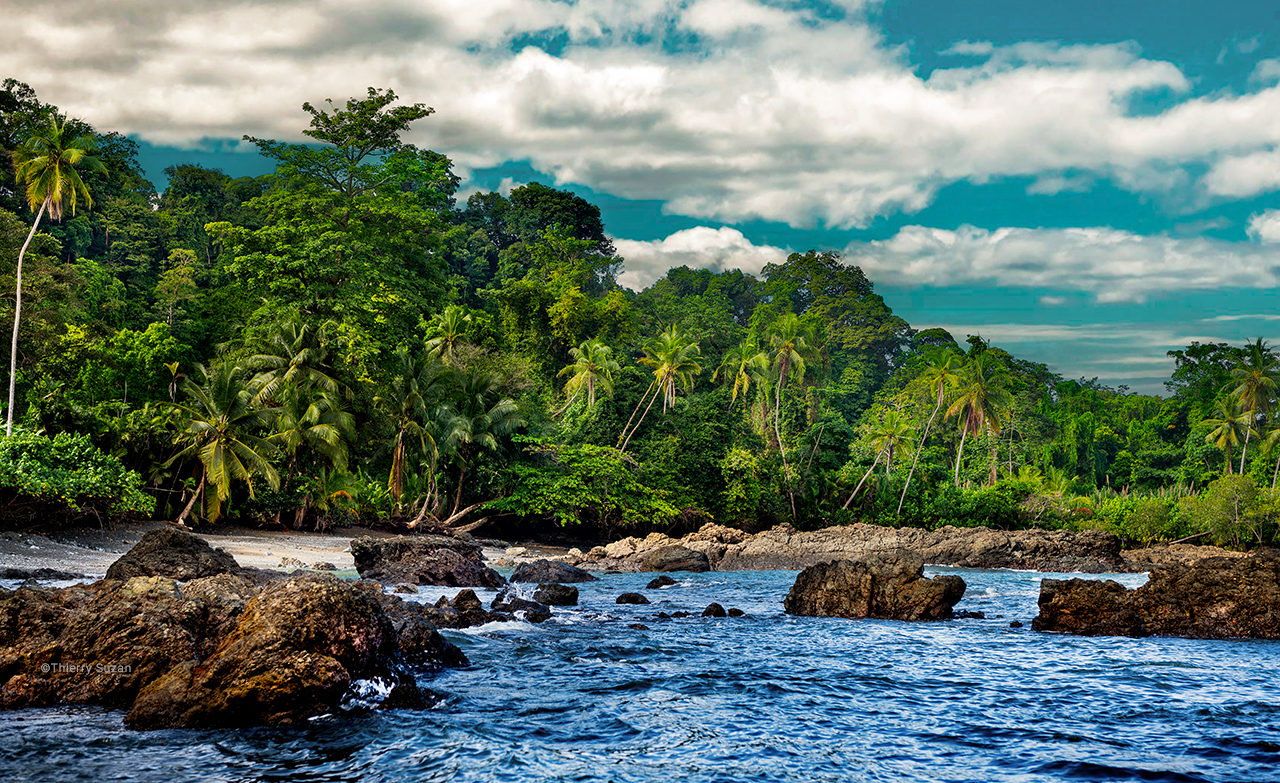
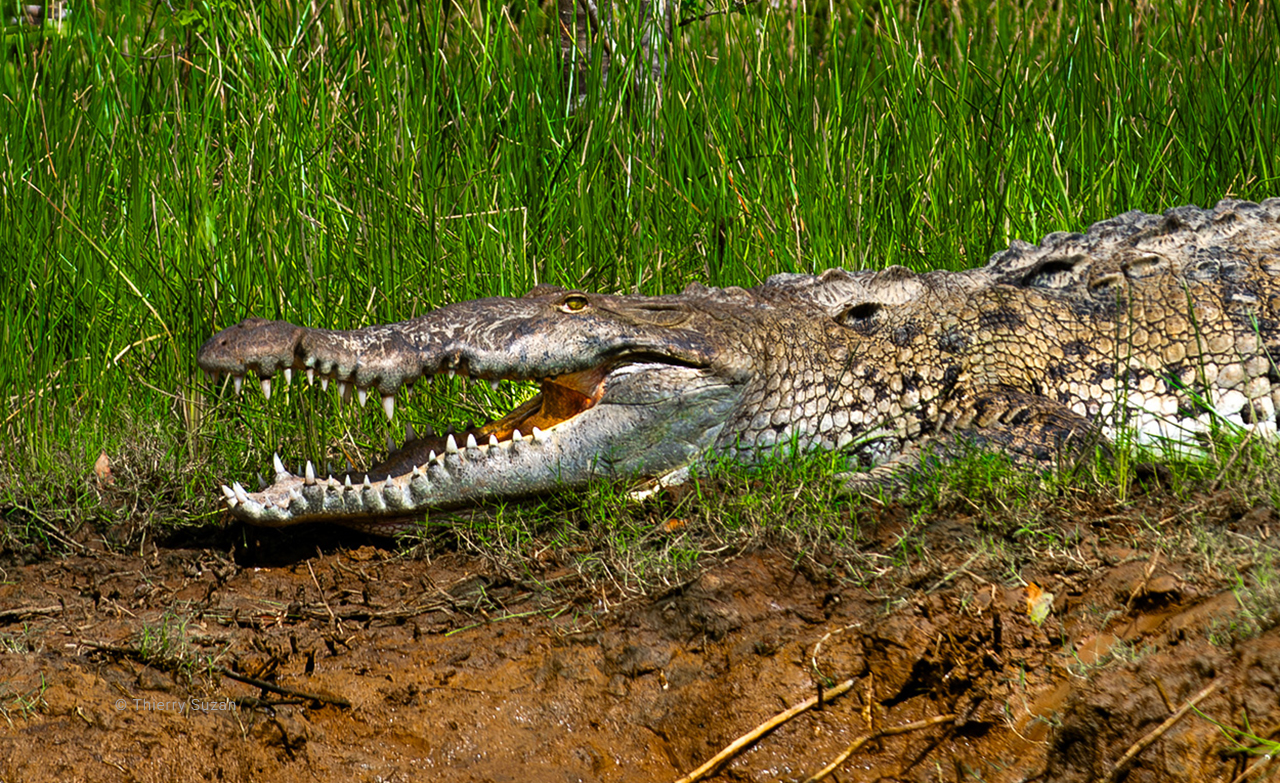
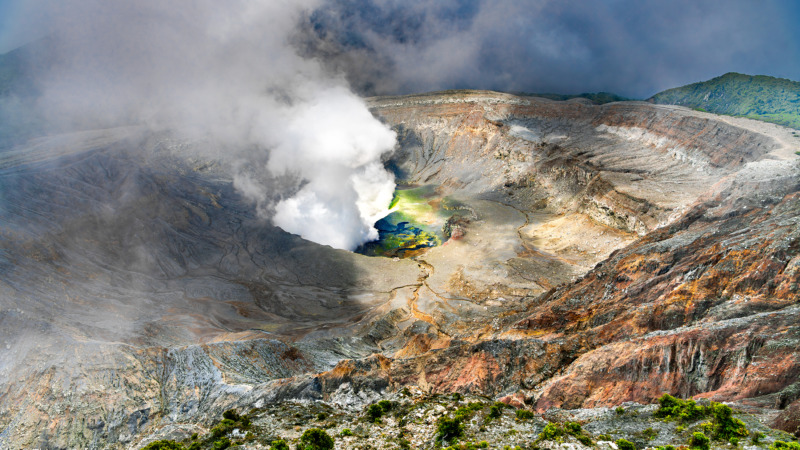
Dawn breaks to the ragged cry of howler monkeys. Unmoved by the uproar, sloths doze, suspended from the branches of ceiba trees. The volcanoes stir in the forest mist: Poás exhales its sulfurous breath, while Arenal — its cone tapered to a point sharp as a spear — holds the heavy silence of sleeping giants. Up in the highlands, lianas knot and wrestle skyward, mosses trail down to the ground, and quetzals dart through the canopy like splinters of emerald. Macaws, hummingbirds, a rain of wings and sparks. The canopy blazes. Trees reach toward the light, their roots clasping the sacred earth of the Boruca people. Green, infinite and deep, trembles like a breath. Beneath the heat of the day, caimans glide through the marshes, their amber eyes fixed on stillness itself. To the west, the Pacific hurls its waves against deserted beaches. To the east, the mangroves dissolve into the waters of the Caribbean Sea. Whales send their foaming song out toward the open sea. The winds carry mingled scents of salt, blossom, and ash. Here, everything lives, everything dreams. Nature breathes — powerful and free — as though the world were beginning again each morning.
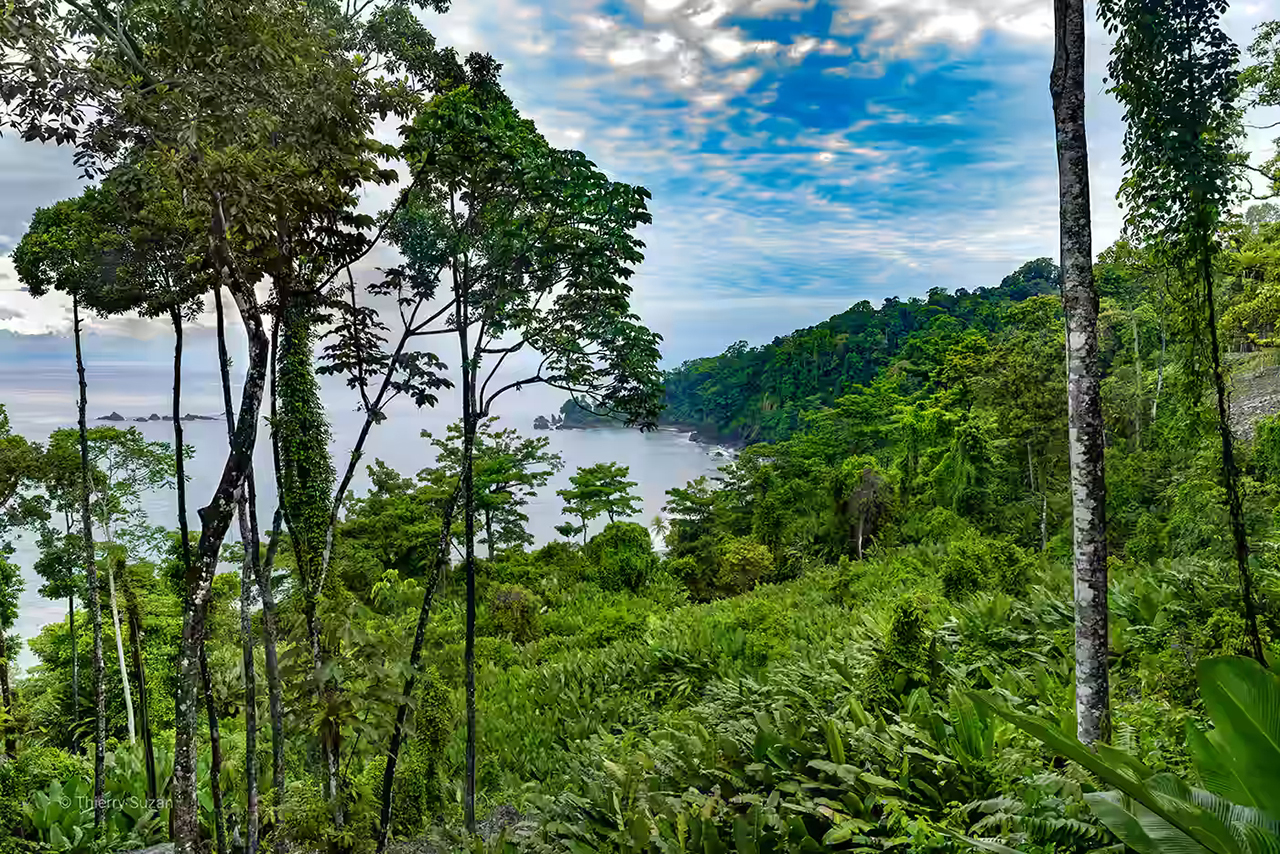 © Thierry Suzan · Corcovado National Park · All Rights Reserved
From Forests to Democraty
Before the Spanish arrived in 1502, the territory was home to a mosaic of indigenous peoples (Bribri, Cabécar, Chorotega, Boruca) organized into independent chiefdoms whose local alliances stood in sharp contrast to the vast, centralized empires of Mexico and Peru. Under Spanish rule, Costa Rica endured marked economic isolation: there were no gold or silver mines, no large slave-worked plantations, and no substantial indigenous labor force to exploit. Lacking abundant natural resources, the territory remained a minor outpost within the colonial empire for a long time.
The province held a secondary role within the Captaincy General of Guatemala — a broad administrative entity under the authority of the Crown that covered most of Central America. Denied mining revenues and with little prospect of economic advancement, settlers worked the land themselves; gradually, a rural society took shape, built on smallholdings and family labor.
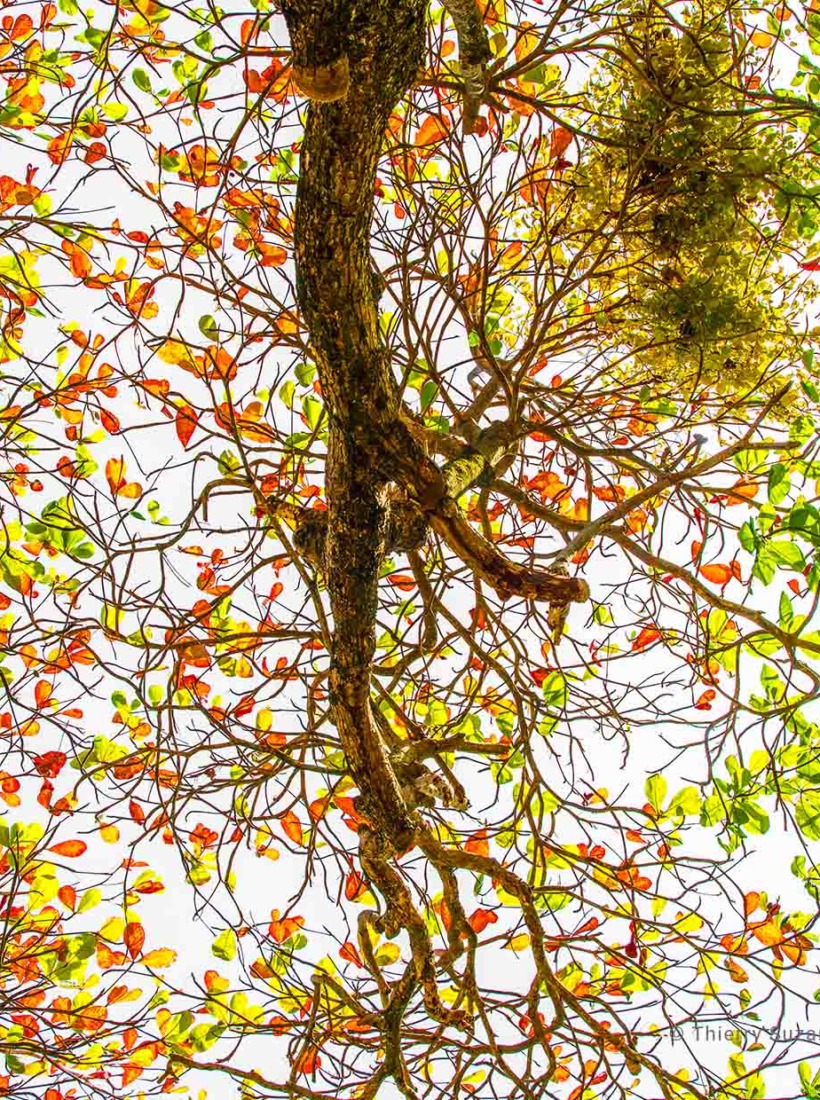
The green, infinite and deep, trembles like a breath.
Proclaimed in 1821, Costa Rica’s independence was part of the broad emancipation movement that swept across Central America. Spared the wars and regional rivalries that tore its neighbors apart, this small country of five million people moved steadily toward political stability. That trajectory found its defining moment in 1948, at the end of a brief civil war: Costa Rica made the historic decision to abolish its army (a choice enshrined in the Constitution of 1949). While guerrilla conflicts raged in Nicaragua, El Salvador, and Guatemala, this unprecedented act broke decisively with the militarized logic of the region.
The resources freed up were redirected toward education, healthcare, and social welfare (as well as toward forest preservation and sustainable land management). From that point on, civic peace and respect for nature became the twin pillars of a national identity grounded in democracy and ecological balance. To this day, that trajectory (from colonial backwater to democratic stability) makes Costa Rica a model of peaceful, responsible governance.
Guardians of the Canopy
Costa Rica now faces major environmental challenges. Despite a dramatic reduction in deforestation, near-total reliance on renewable electricity, and the protection of a quarter of its territory, new pressures are mounting: rapid urbanization, pineapple monoculture (Costa Rica is the world’s leading exporter) overtourism, with more than three million visitors a year, and climate change are placing unique ecosystems under growing strain.
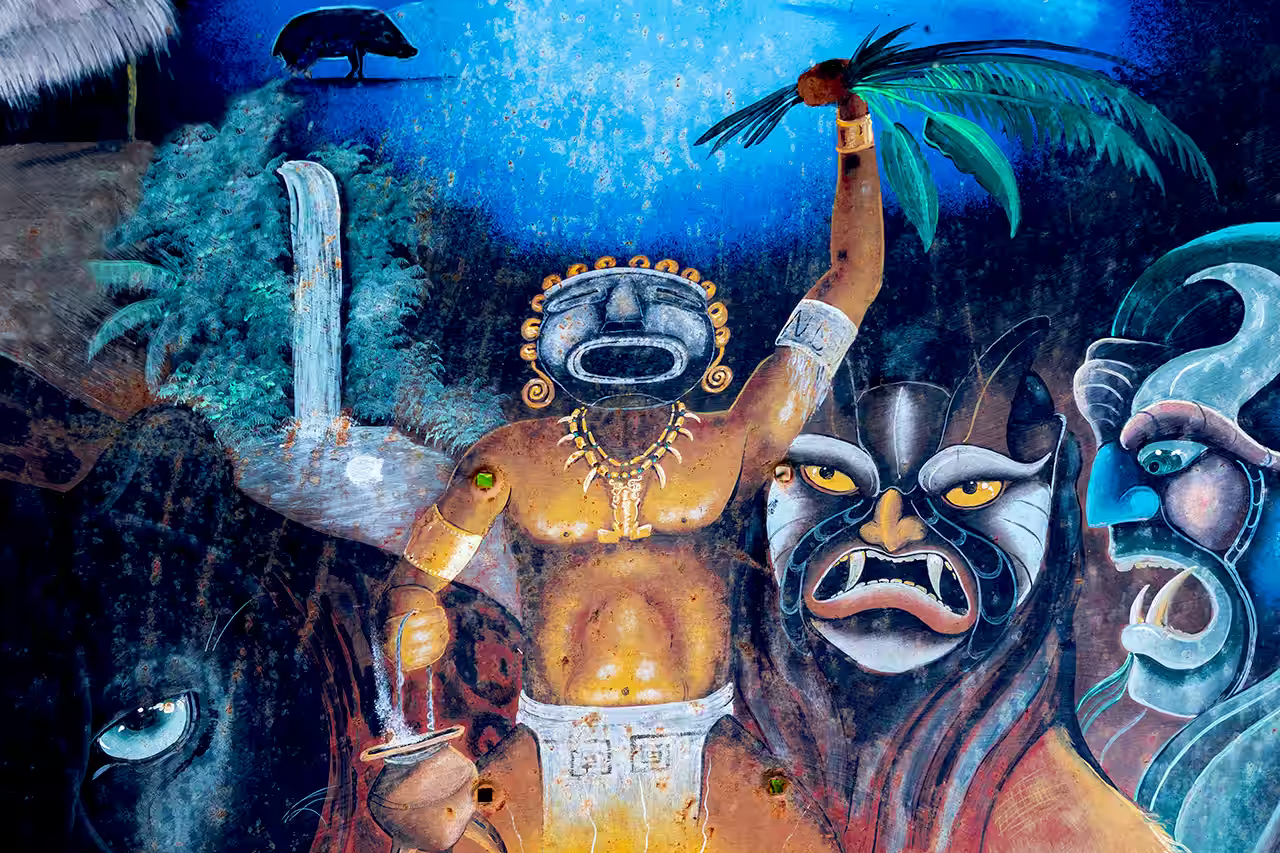
© Thierry Suzan · Boruca painting · All Rights Reserved
In the mountains of Talamanca and on the Osa Peninsula, indigenous Bribri, Cabécar, and Ngäbe communities fiercely defend their territories against the encroachment of industrial plantations. They are reviving ancestral agroforestry practices rooted in a way of life where human beings and forest exist in balance. That knowledge now informs innovative participatory conservation programs, most notably the PSA (Pago por Servicios Ambientales), or Payment for Environmental Services. Since 1997, this scheme has provided direct financial compensation to landowners who protect biodiversity, sequester carbon, and safeguard water resources, benefiting more than 20,000 families.
The Costa Rican government is pursuing a range of further initiatives: reconnecting biological corridors through the AmistOsa network, which links natural habitats by planting hundreds of thousands of trees; protecting the mangroves of the Gulf of Nicoya as part of the national blue carbon strategy; and promoting regenerative agriculture through programs that support farmers in adopting sustainable practices.
Caught between the protection of its natural heritage and mounting economic pressures, Costa Rica is marshaling ambitious public policy, citizen engagement, and ancestral knowledge to preserve the environmental model it has spent decades building.
© Lead photograph · Thierry Suzan · Poás Volcano · All Right Reserved